

“You’re too sensitive” “Don’t be so sensitive.”
There’s a lot of talk about being a sensitive person, and ideas about whether it’s a positive or negative. Maybe it’s something that makes you cringe a little. Or maybe it’s something you deeply identify with, and it shapes the way you move through the world. Maybe you’re not sure, and don’t know quite how you feel about it.
If you’ve heard that over the years, you probably have some feelings about the word ‘sensitive’. Maybe it makes you cringe a little. Maybe it’s something you’ve come to embrace. Or maybe it’s a little column A and a little column B.
So what does being sensitive actually mean, and why might it be worth knowing whether you are?
Are some people wired to be more sensitive?
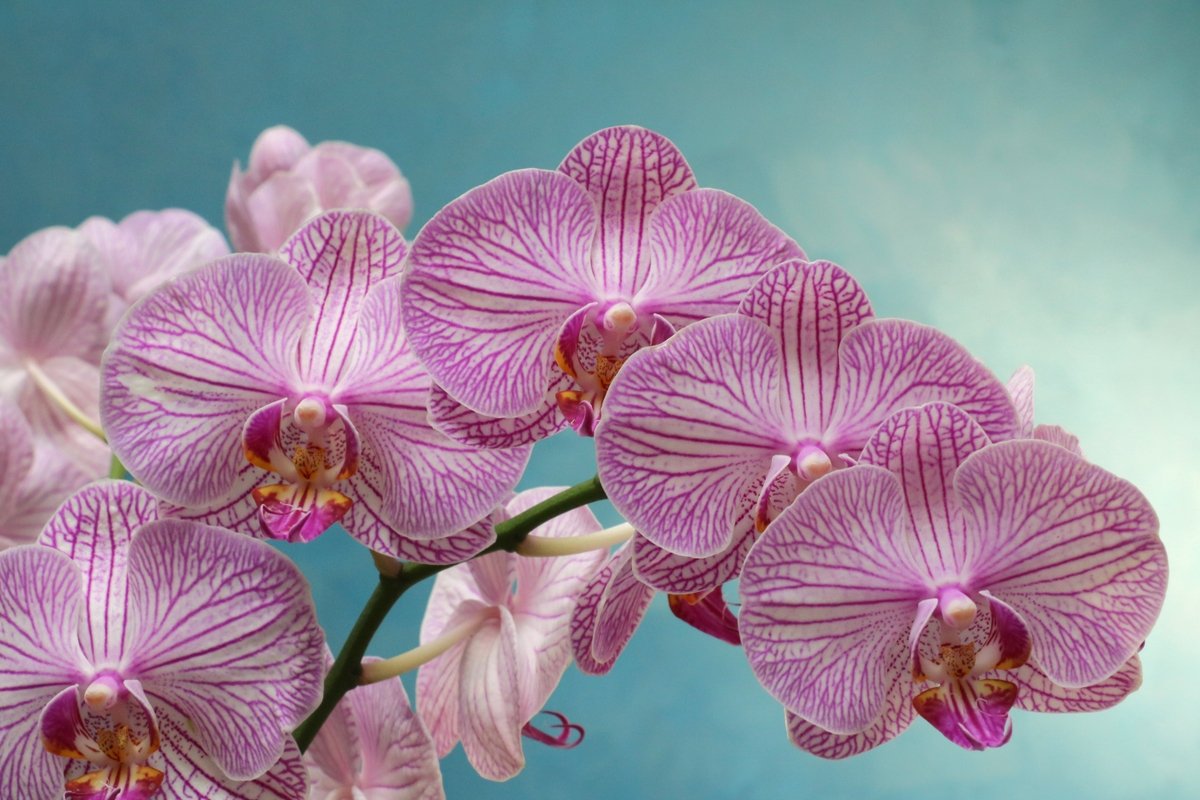
In short, yes. Research suggests that some people are born more sensitive to their environment than others. One school of thought uses the analogy of a spectrum of flowers, namely dandelions, tulips and orchids, with dandelions being at the less sensitive end of the spectrum, orchids experiencing higher levels of sensitivity, and tulips sitting somewhere in between.
What does ‘sensitivity’ actually mean?
Researchers don’t fully agree about on this. One of the best-known voices is Elaine Aron who coined the term ‘Highly Sensitive Person’ or HSP). She describes four aspects:
- noticing subtle shifts in tone/mood/atmosphere
- reaching overwhelm faster in loud/busy/intense settings
- feeling emotions strongly – yours and others
- processing things more deeply, turning them over longer
You might be very sensitive in some of these and not so much in others.
Does sensitive mean fragile?
Not exactly. Being more sensitive can make the world harder in some ways. It’s been linked with more mental health struggles, lower life satisfaction and burnout.
But, and it’s an important but, it works both ways. For sensitive people, tough environments tend to feel tougher, and supportive ones tend to be especially good for them.
Where do messages about ‘being sensitive’ come from?
A lot depends on where you grew up, and what you were taught counted as strong or weak. Many Western cultures tend to value toughness, independence and keeping it together, and treat sensitivity as a weakness. In many more community-focused cultures, sensitivity is more often seen as a strength, part of being tuned in to and caring about others.
Gender plays a part too. In many Western cultures, masculinity has been tied to being tough and unemotional, while sensitivity gets filed under ‘feminine’, and then under ‘weak’.
What’s helpful about knowing how sensitive you are?
In my work with clients, identifying whether sensitivity is a part of the picture can be helpful – often people have a sense of “what’s wrong with me? nothing that hard happened to me”. They may feel some shame about being the ‘sensitive one’, since their sensitivity was not valued, and they learned to internalise others’ messages of unworthiness or weakness.
Getting to know your own sensitivity, and how it shows up in your life, can make room for more understanding and kindness towards yourself. You get a clearer sense of what it gives you and the ways it makes life tougher. You learn more about your limits, how to look after yourself, and when to stretch versus when to make room for what you need. It can help you can get a better feel for what a good life actually looks like for you.
Because in the end, there’s no one right way to be. We need dandelions, orchids, and all the flowers in between.
If any of this resonated, and you’d like to explore your own sensitivity with someone, I’d love to help. Book a free 15 minute phone chat, or get in touch here
Further reading:
-
- The Orchid and the Dandelion: Why Some Children Struggle and How All Can Thrive (Knopf, 2019), by Dr. W. Thomas Boyce
-
- The Highly Sensitive Person: How to Thrive When the World Overwhelms You (Broadway Books, 1996), by Elaine Aron
-
- Elaine Aron’s The Highly Sensitive Person